
SummarySIPs are not fully risk-free — they reduce volatility but don’t guarantee returns. Long-term discipline, market cycles, and investor behavior ultimately decide SIP performance.
How Safe Is Your SIP? Real Risks, Returns & Investor Guide
Systematic Investment Plans (SIPs) have become one of the most popular ways for Indian retail investors to participate in the equity markets. The convenience of investing small amounts regularly, along with the belief that SIPs reduce market risk, has made them extremely attractive.
But despite their popularity, many investors overestimate the safety of SIPs. While SIPs help manage volatility, they are not guaranteed, nor are they immune to market downturns. The outcomes depend heavily on investor behaviour, market cycles, and the timing of cash flows.
This blog breaks down what the How Safe Is Your SIP article highlights and what investors often misunderstand about SIP safety.
Why SIPs Became a Favourite Among Indian Investors
Even though markets have not fully recovered to their previous highs, SIP inflows continue to hit record levels. According to industry data:
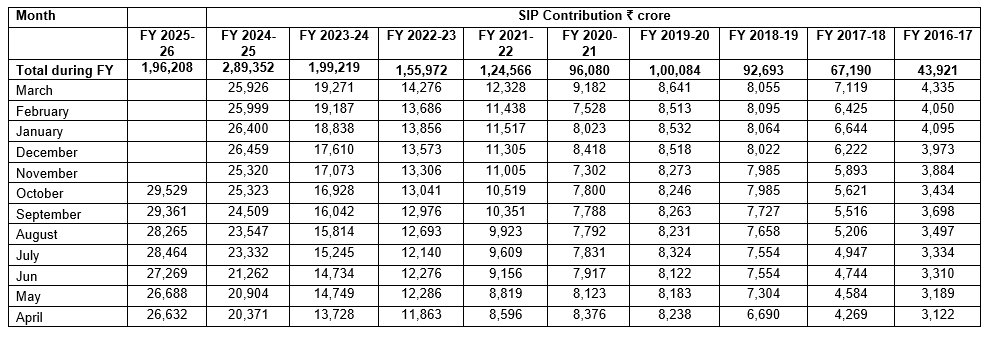
- Monthly SIP inflows have crossed ₹20,000 crore multiple times.
- The number of SIP accounts has steadily risen.
- AMFI numbers show increasing participation from first-time and long-term investors.
Investors see SIPs as a disciplined and less stressful way of investing compared to lump-sum investments. The common belief is:
“Markets go up and down, but SIP will average out everything.”
However, experts caution that this belief is not always accurate.


Are SIPs Truly Safe? The Truth vs. the Perception
1. SIPs Reduce Volatility They Don’t Eliminate It
The biggest misconception is that SIPs guarantee positive returns. But SIPs only help smoothen volatility through rupee-cost averaging. They do not protect investors from:
- Prolonged market downturns
- Poor asset allocation
- Behavioural mistakes like panic selling
- Entering or exiting at the wrong time
2. Behaviour Matters More Than the SIP
Experts consistently highlight that investor behaviour drives returns more than market performance.
For example:
- Investors stopping SIPs during market corrections
- Redeeming during a crash
- Increasing SIPs only when markets peak
Such behaviour often leads to lower long-term returns.
3. Timing of the SIP Cycle Impacts Long-Term Results
The end phase of an SIP (the last 10–20% of contributions) has the largest impact on total returns.
If the SIP ends in a bearish phase, even long-running SIPs may give muted or negative returns.
Studies have shown:
- SIPs with the same start date but different end dates had significantly different outcomes.
- Small changes in the final 1–2 years can swing SIP performance drastically.
Long-Running SIPs Are Not Immune to Market Volatility
Data shows that even SIPs running for 10–12 years can underperform if:
- The final phase coincides with a market downturn
- The investor stops the SIP prematurely
- The fund chosen doesn’t match the investor’s risk profile
A common finding across various research examples:
- SIPs tend to avoid losses only after 7–8 years
- But there is no guarantee of high returns even after long durations
This is why financial planners strongly advise reviewing:
- Fund performance
- Asset allocation
- Market cycle
- Investor objectives
Why Investors Must Avoid Emotional Decisions
Human emotions—fear, greed, overconfidence—often disrupt SIP discipline.
Some typical behavioural errors include:
❌ Stopping SIPs when markets fall
This eliminates the advantage of buying at lower prices.
❌ Increasing SIPs only during bull markets
This results in buying more units at higher valuations.
❌ Redeeming early due to impatience
SIPs need time to work. Short-term SIPs behave just like lump-sum investments.
❌ Assuming SIPs guarantee returns
Wrong expectations lead to dissatisfaction and panic decisions.
Return vs. Persistence: The Key Trade-Off
A successful SIP is not just about choosing the top-performing fund.
It is about:
- Staying invested during downturns
- Maintaining consistency
- Reviewing allocation annually
- Avoiding frequent fund switches
- Ensuring SIP duration aligns with the investment goal
Financial experts conclude that:
“The return of the SIP depends on the persistence of the investor.”
How to Make Your SIP Truly Safe and Effective
Here are actionable steps to improve your SIP outcomes:
1. Choose the Right SIP Duration
For equity SIPs:
✔ Minimum: 7–10 years
✔ Ideal: 15–20 years
2. Avoid Stopping During Market Falls
Downturns offer the best unit cost.
3. Review Your Funds Every Year
Remove consistently underperforming funds.
4. Match SIP Type With Risk Profile
- Aggressive → Equity SIP
- Moderate → Hybrid SIP
- conservative → Debt SIP
5. Don’t Panic With Short-Term Volatility
Short phases don’t define long-term wealth creation.
6. Avoid Overloading on Too Many SIPs
Stick to 2–4 quality funds.
But SIPs are not automatically safe
SIPs remain one of the most effective investment tools for long-term wealth creation. But SIPs are not automatically safe—they work only when:
- Investor behaviour is disciplined
- Market cycles are respected
- The investment horizon is long
- The right fund categories are selected
SIP success = Consistency + Patience + Smart Review
If investors correct their behaviour and expectations, SIPs can deliver excellent inflation-beating returns over time.
Frequently Asked Questions (FAQ)
Are SIPs guaranteed to give positive returns?
No. SIPs reduce volatility but do not guarantee returns. Long-term SIPs usually perform better, but results depend on market cycles and discipline.
Can SIPs give negative returns?
Yes. Especially in short durations or if the SIP ends during a market downturn.
What is the minimum time to stay in SIP?
For equity SIPs, a minimum of 7–10 years is recommended. Shorter SIPs may behave like lump-sum investments.
Should I stop SIPs when markets fall?
No. Falling markets are the best time to accumulate more units at lower prices.
Can I pause my SIP?
Yes, most platforms allow pausing without cancelling. But it is advisable to continue unless there is a serious financial issue.
How many SIP funds should I have?
2–4 well-diversified funds are enough for most investors.
Is SIP better than a lump sum?
For long-term equity investing, SIPs are safer and more disciplined. But lump-sum investments work well during market crashes.
Do SIPs work in debt funds?
Yes, but the benefit of rupee-cost averaging is lower. Debt SIPs are ideal for stability and short-term goals.
Should I review my SIP portfolio?
Yes. Review once a year to remove consistent underperformers.
Are SIPs good for beginners?
Absolutely. SIPs are the simplest and most structured way for beginners to invest in markets.
