
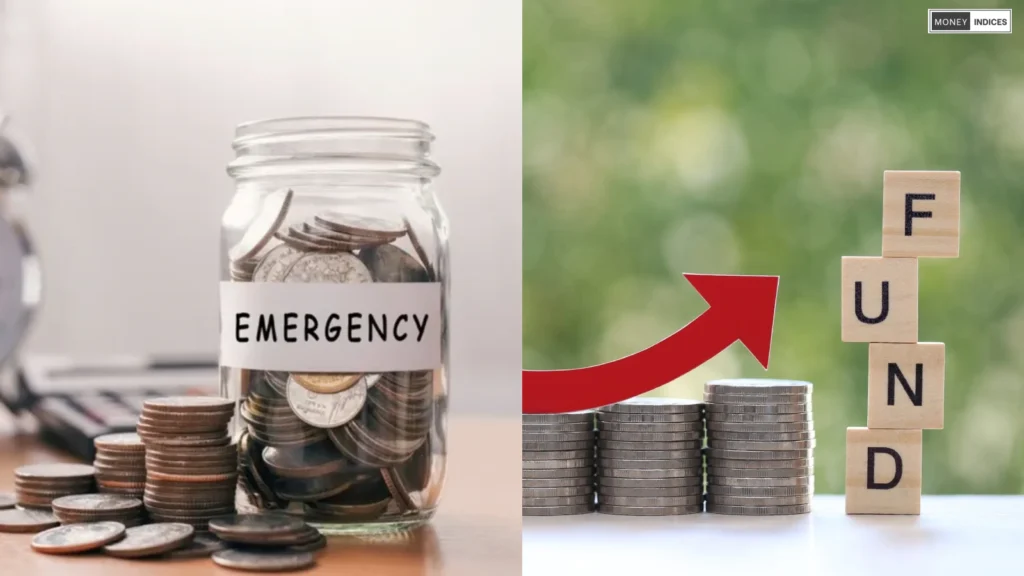
Although many people worry about the future, very few people prepare to face sudden financial crises. It is necessary to be prepared for unexpected situations like job loss, major losses in business or sudden medical expenses on the family. This is why financial advisors recommend creating an emergency fund.
Some basic mistakes are often made while creating this fund, which leads to huge financial losses in times of need. Here is complete information on how to create a proper emergency fund by avoiding these mistakes.
What is an emergency fund and how much should it be?
Emergency fund: Money set aside to run your daily expenses smoothly for a few months even after losing your job or stopping your income.
Fund recommendation: It is recommended to keep a fund equal to your 3 to 6 months of monthly expenses. (Based on expenses, not income).
Main mistakes to avoid while creating an emergency fund
Keeping funds in the wrong place
- Wrong method: Investing the entire fund in long-term investment options (e.g. stock market, long-term FDs).
- Result: In case of emergency, there is a delay in withdrawing money or if the investment is broken, a huge financial loss (Penalty/Loss) has to be borne.
Keeping funds too small
- Wrong method: Keeping funds equal to only 1 or 2 months of expenses.
- Result: In case of a major crisis (e.g. prolonged unemployment), this fund will be exhausted quickly and it is time to take a loan for the remaining needs.
Not managing funds properly
- Wrong method: Keeping the entire emergency fund only in a savings account.
- Result: Keeping money in a savings account keeps it safe, but it earns a very low interest rate. Inflation reduces the value of your money over time.


How to manage an emergency fund?
- To keep your emergency fund safe and immediately available when needed, use the following ‘Liquidity’ based plan:
For immediate needs
- Funds: A large portion of the total funds (50% to 70%)
- Place of storage: High-interest savings account or liquid mutual funds.
- Advantage: These options are the easiest and most immediately available for withdrawal.
For safe investments
- Funds: A portion of the total funds (30% to 50%)
- Place of storage: Short-Term FD or Recurring Deposit (RD).
- Important note: While choosing an FD, choose a short-term tenor, so that in case of emergency you do not have to wait long or incur less penalty.
What to take care of before investing?
Before investing funds in any investment option, know the complete information about withdrawal. So that in case of emergency you do not face any problem and avoid financial loss.
This was the entire content of this blog — information on financial planning, mistakes to avoid and how to manage funds.
Follow For More: MoneyIndices!
