

Buying a home is one of the biggest financial decisions in a person’s life. For most Indian families, purchasing a house involves taking a home loan that may continue for 15, 20 or even 30 years. While borrowers usually focus on the loan amount, monthly EMI and repayment tenure, one important factor can significantly influence the overall borrowing cost: credit score.
A good credit score does more than improve your chances of getting a home loan approved. It can also help you negotiate a lower interest rate with your bank or housing finance company. Even a small reduction of 0.50% or 1% in the interest rate can potentially save borrowers several lakhs of rupees over the entire repayment period.
A report published in The Economic Times Wealth (October 19–25, 2026) highlighted how borrowers improved their credit scores and approached their lenders to negotiate lower home loan interest rates. Some borrowers reportedly achieved substantial savings by demonstrating improved repayment behaviour and maintaining a stronger credit profile.
This raises an important question: Can improving your CIBIL score actually reduce your existing home loan interest rate? The answer is yes, in certain circumstances, although the final decision depends on the lender’s policies, loan agreement, benchmark rate and the borrower’s overall financial profile.
1. What Is a Credit Score and Why Does It Matter for Home Loans?
A credit score is a three-digit number that represents an individual’s credit repayment history and credit behaviour. In India, TransUnion CIBIL is one of the recognised credit information companies that provides credit scores and credit reports.
A CIBIL score generally ranges from 300 to 900. A higher score indicates a stronger credit history and can improve a borrower’s chances of obtaining favourable credit terms.
Banks and financial institutions generally evaluate several factors before approving a home loan, including:
- Credit score and repayment history.
- Monthly income and employment stability.
- Existing loans and financial obligations.
- Debt-to-income ratio.
- Property value and loan-to-value ratio.
- Loan amount and repayment capacity.
A borrower with a strong credit history may be considered less risky than someone with a history of missed payments or defaults.
This is important because lenders assess the risk associated with each borrower while deciding the applicable interest rate, subject to their lending policies.
Although a high credit score does not guarantee the lowest available interest rate, it can strengthen your position when negotiating with your lender.
2. How Can a Higher Credit Score Reduce Your Home Loan Interest Rates?
Most borrowers assume that the interest rate is fixed when they sign their home loan agreement. However, floating-rate home loans may have different components that determine the final interest rate.
For loans linked to an external benchmark, the lending rate generally consists of:
Home Loan Interest Rate = External Benchmark Rate + Applicable Spread
The external benchmark may be the RBI policy repo rate or another permitted benchmark. The spread is determined by the lender according to its approved lending policy and applicable regulations.
The spread may include components such as credit risk premium, business strategy component and other applicable lending-related components.
A borrower’s credit profile can influence the credit risk premium. If the borrower’s creditworthiness improves substantially, the lender may review the applicable risk premium according to the loan agreement and its policies.
For example, consider two borrowers applying for similar home loans. One has a strong credit score and a consistent repayment history, while the other has multiple delayed payments and high outstanding credit card balances. The bank may assess their risk profiles differently and offer different interest rates.
Existing borrowers can also approach their banks when their credit profiles improve. However, an interest rate reduction is not automatic. The lender must evaluate the request and approve any applicable revision.


3. Real-Life Examples: How Borrowers Reduced Their Home Loan Interest Rates
The newspaper report published by The Economic Times Wealth featured borrowers who approached their lenders after improving their credit profiles. The following examples illustrate how credit score improvements can potentially translate into lower borrowing costs.
Case Study 1: Vikram Tiwari – Saving Approximately ₹6 Lakh
Vikram Tiwari, a finance professional from Gurugram, had taken a home loan in April 2025. According to the newspaper report:
| Particulars | Details |
|---|---|
| Initial credit score | 780 |
| Improved credit score | 803 |
| Original interest rate | 8.45% |
| Revised interest rate | 7.50% |
| Estimated interest saved | ₹6 lakh |
Vikram maintained a disciplined repayment record and noticed that his credit score had improved over time. He contacted his bank, highlighted his improved credit profile and requested a revision of his home loan interest rate. Following the bank’s review, his interest rate was reportedly reduced from 8.45% to 7.50%.
This example demonstrates why borrowers should periodically review their credit reports and discuss better lending terms with their existing banks.
Case Study 2: Ahaan Pandit – Saving Approximately ₹14 Lakh
Ahaan Pandit, a finance professional based in Bengaluru, took a home loan in 2018. His credit profile improved considerably during the loan repayment period.
| Particulars | Details |
|---|---|
| Initial credit score | 730 |
| Improved credit score | 810 |
| Original interest rate | 8.00% |
| Revised interest rate | 7.25% |
| Estimated interest saved | ₹14 lakh |
Ahaan reportedly approached his bank after noticing the improvement in his credit score. He requested a reduction in the interest rate and the bank agreed to revise it from 8% to 7.25%.
The newspaper report estimated that the revised rate could result in interest savings of approximately ₹14 lakh over the remaining loan period. This case highlights the long-term financial benefits that even a relatively small interest rate reduction can offer.
Case Study 3: Ruthvick Reddy – Saving Approximately ₹1.47 Lakh
Ruthvick Reddy, a businessperson from Nalgonda, took a home loan in 2019. His credit score initially stood at 740 but later improved to 770.
| Particulars | Details |
|---|---|
| Initial credit score | 740 |
| Improved credit score | 770 |
| Original interest rate | 9.05% |
| Revised interest rate | 8.05% |
| Estimated interest saved | ₹1.47 lakh |
According to the report, delayed repayments associated with a loan he had guaranteed affected his credit profile. He subsequently improved his credit behaviour by maintaining timely repayments and managing his financial obligations.
After negotiating with his lender, his interest rate was reportedly reduced from 9.05% to 8.05%. This example also demonstrates why borrowers should carefully monitor loans for which they have acted as guarantors.
Note: These figures are examples reported by the newspaper and are not guaranteed savings or standard interest rate offers. Actual savings depend on the outstanding principal, remaining tenure, revised interest rate and lender’s terms.
4. What Is the RBI’s Role in Home Loan Interest Rates?
The Reserve Bank of India (RBI) regulates important aspects of lending rates and transparency in the banking system. Under RBI guidelines, floating-rate personal and retail loans, including housing loans offered by banks, are linked to external benchmarks.
The actual lending rate is determined by adding the applicable spread to the external benchmark.
RBI guidelines also provide important conditions regarding changes in the spread. For example:
- Banks have the freedom to determine the applicable spread according to their approved policies.
- Credit risk premium may change when the borrower’s credit assessment undergoes a substantial change, as agreed upon in the loan contract.
- Other spread components, including operating costs, generally cannot be altered more frequently than permitted under the applicable directions.
- Banks may reduce certain spread components earlier for customer retention, subject to justifiable grounds and their policies.
- Interest rates linked to external benchmarks must be reset at least once every three months.
Therefore, an improvement in your credit score may provide grounds to request a review of your credit risk premium, but it does not mean that the bank must automatically reduce your existing interest rate. Borrowers should review their loan agreements and ask their lenders about the applicable terms.
5. How to Check Your CIBIL Score Before Approaching the Bank
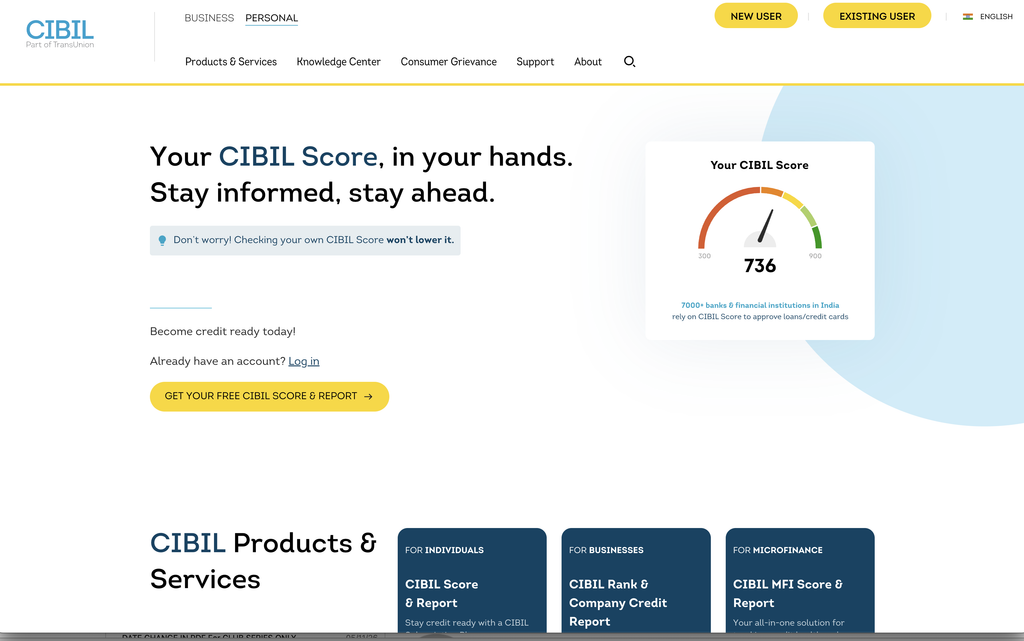
Before requesting an interest rate reduction, check your credit score and obtain a copy of your credit report. You can visit the official TransUnion CIBIL website and access your credit information.
Steps to check your credit score:
- Visit the official CIBIL website.
- Select the option to access your CIBIL score or credit report.
- Register or log in using the required personal details.
- Complete the identity verification process.
- Review your credit score and detailed credit report.
- Check your repayment history, outstanding balances and credit enquiries.
- Identify any incorrect information or discrepancies.
Your credit report can help you understand why your score has improved or declined. Do not focus only on the three-digit number. Review the complete report before approaching your lender.
6. Seven Practical Ways to Improve Your Credit Score
Improving your credit score requires consistent financial discipline. There is no guaranteed overnight method to achieve a higher score. Here are seven practical steps that can help strengthen your credit profile.
1. Pay All EMIs and Credit Card Bills on Time
Payment history is an important factor affecting your credit score. Always pay your home loan EMI, personal loan EMI and credit card bills before their due dates. Consider setting up automatic payments or reminders to avoid accidental delays.
2. Keep Credit Card Utilisation Low
Avoid using your entire credit card limit every month. For example, if your credit card limit is ₹1 lakh, try to maintain a relatively low outstanding balance rather than consistently using the full limit. Lower credit utilisation can help demonstrate responsible credit management.
3. Avoid Applying for Multiple Loans Simultaneously
Every formal loan or credit card application may generate a credit enquiry. Multiple applications within a short period can make lenders cautious about your financial behaviour. Apply for credit only when you genuinely need it.
4. Maintain a Long and Healthy Credit History
A longer record of responsible borrowing and timely repayment can support a healthy credit profile. Avoid closing older credit accounts without understanding how the decision may affect your overall credit history.
5. Check Your Credit Report for Errors
Sometimes, credit reports may contain incorrect outstanding balances, payment records or account information. If you find an error, raise a dispute with the credit information company and contact the concerned lender for correction.
6. Manage Your Existing Loans Responsibly
Avoid taking unnecessary loans or accumulating excessive debt. Maintain a manageable balance between your monthly income, existing EMIs and other financial commitments.
7. Monitor Loans Where You Are a Guarantor
If you become a guarantor for another person’s loan, their repayment behaviour can affect your credit profile. Before accepting such responsibility, understand the financial implications and regularly monitor the associated account.
7. How to Negotiate a Lower Home Loan Interest Rate With Your Bank
If your credit score has improved considerably since you originally took your home loan, you may consider requesting an interest rate revision.
Step 1: Check Your Current Interest Rate
Review your latest loan statement and identify your existing interest rate, outstanding principal and remaining repayment tenure.
Step 2: Obtain Your Updated Credit Report
Check your latest credit score and identify improvements in your repayment history.
Step 3: Compare Interest Rates
Research the home loan rates offered by other banks and housing finance companies for borrowers with similar financial profiles.
Step 4: Contact Your Existing Lender
Write to your bank’s home loan department or visit the nearest branch. Explain that your credit profile has improved and request a review of the applicable interest rate or credit risk premium.
Step 5: Submit Supporting Documents
Depending on the lender’s requirements, you may need to provide your latest credit report, home loan account statement, recent salary slips or income documents, bank statements and updated KYC documents if requested.
Step 6: Ask About Conversion or Switching Charges
Some lenders may offer an interest rate conversion facility for existing borrowers. Ask about applicable fees, administrative costs and other conditions before accepting the revised offer.
Step 7: Calculate Your Actual Savings
Compare the total interest payable under your existing loan terms with the proposed revised terms. Do not make a decision based only on the reduced EMI. Consider the remaining tenure, processing charges and total repayment cost.
8. Should You Transfer Your Home Loan to Another Bank?
If your existing bank refuses to offer a competitive interest rate, a home loan balance transfer may be worth considering. A balance transfer allows you to move your outstanding home loan from one lender to another, subject to the new lender’s approval.
However, switching banks is not always financially beneficial. Before transferring your loan, compare:
- Existing interest rate and proposed new interest rate.
- Outstanding principal amount.
- Remaining loan tenure.
- Processing and administrative charges.
- Legal and documentation expenses.
- Applicable switching or conversion charges.
- Any other conditions attached to the new loan.
For example, if your current bank offers 8.75% and another lender offers 8.00%, the difference may look attractive. However, calculate the total savings after accounting for all transfer-related expenses.
If only a small amount of your loan remains outstanding, transferring the loan may not provide meaningful benefits.
9. Why You Should Review Your Home Loan Every Year
Many borrowers continue paying their original home loan interest rate for years without checking whether better terms are available. This can become an expensive mistake.
Your financial circumstances may change over time. Your salary may increase, your repayment history may improve, and your credit score may become stronger. At the same time, banks may revise their lending rates and offer different terms to eligible borrowers.
Reviewing your home loan periodically can help you:
- Identify opportunities for interest rate reduction.
- Understand changes in your outstanding loan balance.
- Evaluate whether your EMI or tenure should be adjusted.
- Compare competing home loan offers.
- Reduce your overall interest burden.
Remember that a home loan is a long-term financial commitment. Regular monitoring can help you manage it more effectively.
10. Final Thoughts: A Better Credit Score Can Mean a Cheaper Home Loan
A good credit score is not just a number on your credit report. It reflects your financial discipline and can influence how lenders evaluate your borrowing risk.
As highlighted in the newspaper report, borrowers who improved their credit profiles were able to approach their lenders and negotiate lower home loan interest rates.
If you already have a home loan, do not assume that you must continue paying the same interest rate throughout the repayment period. Check your credit score, review your loan agreement and ask your lender whether a rate revision is possible.
Even a reduction of 0.50% can make a meaningful difference over a long repayment period, depending on your outstanding loan amount and remaining tenure.
The most important lesson is simple: Maintain a healthy credit score, repay your obligations on time and periodically negotiate better borrowing terms. A little financial attention today could help you save a substantial amount over the life of your home loan.
Important Disclaimer
This article is intended for general financial education and informational purposes only. Interest rate reductions are subject to individual lender policies, RBI regulations, loan agreements and borrower eligibility. The case studies and savings figures mentioned above are based on the newspaper report and should not be treated as guaranteed outcomes. Always confirm the latest terms with your bank or housing finance company before making financial decisions.
Frequently Asked Questions (FAQs)
1. Can a good CIBIL score reduce my existing home loan interest rate?
Yes. A good or significantly improved CIBIL score may help you request a reduction in your existing home loan interest rate. Your bank may review your credit risk premium and other applicable loan terms. However, approval depends on the lender’s policies and loan agreement.
2. What is a good CIBIL score for a home loan?
A CIBIL score above 750 is generally considered a strong credit profile by many lenders. However, individual banks have different eligibility criteria, and a higher score does not guarantee loan approval or a particular interest rate.
3. Does a CIBIL score of 800 guarantee the lowest home loan interest rate?
No. An 800 CIBIL score indicates a strong credit profile, but banks also consider income, employment stability, existing liabilities, property details, loan amount and other risk factors.
4. How much can I save if my home loan interest rate decreases by 1%?
The savings depend on your outstanding loan amount, remaining tenure and revised interest rate. A 1% reduction can potentially save several lakhs over a long repayment period. Use a home loan calculator to compare the total interest payable under both rates.
5. Can I ask my bank to reduce my home loan interest rate?
Yes. Existing borrowers can approach their banks and request an interest rate revision. You can explain your improved credit score, repayment history and eligibility for better lending terms.
6. Does checking my own CIBIL score reduce it?
Checking your own credit score is generally considered a soft enquiry and does not reduce your score. However, multiple formal credit applications may generate hard enquiries.
7. How long does it take to improve a CIBIL score?
There is no fixed timeline. It depends on your repayment history, credit utilisation, outstanding balances, credit enquiries and the accuracy of information reported by lenders. Consistent responsible credit behaviour can help improve your profile over time.
8. Can I negotiate a home loan interest rate without changing banks?
Yes. You can request your existing lender to review your interest rate. Depending on the bank’s policies, you may be eligible for a rate conversion or repricing facility without transferring the loan.
9. What is a home loan balance transfer?
A home loan balance transfer means moving your outstanding home loan from one bank or financial institution to another. Borrowers generally consider this option when another lender offers more favourable interest rates or loan terms.
10. Does being a loan guarantor affect my CIBIL score?
Yes, it can. If the primary borrower fails to repay the loan, the guarantor’s credit profile may also be affected. Therefore, carefully evaluate the risks before agreeing to become a loan guarantor.
11. What is the difference between a credit score and a credit report?
A credit score is a three-digit summary of your creditworthiness. A credit report contains detailed information about your credit accounts, repayment history, outstanding balances and credit enquiries.
12. Can I reduce my home loan EMI after negotiating a lower interest rate?
Yes. Depending on your bank’s policies, you may be able to reduce your EMI while keeping the remaining tenure unchanged. Alternatively, you may maintain the existing EMI and reduce the repayment tenure. Compare both options before deciding.
