

Summary: India’s auto rally pushed Maruti, M&M and Bajaj Auto to strong gains, driven by festive demand and rural recovery. Valuations are high, and inventory and margin trends are worth watching.
Explore this article with AI
Your article prompt is copied when you choose an AI platform. Paste it into the chat if it is not filled in automatically.
India’s automobile sector has been on a strong upward rally over the past few months, delivering solid returns and outperforming major market indices.
But the rally has also raised questions about valuations and how long the demand momentum can last.
In this blog, we break down sector performance, sales trends, valuations and risks, to help you understand what has been driving the sector.
Auto Stock Rally 2026: Strong Performance but High Valuations
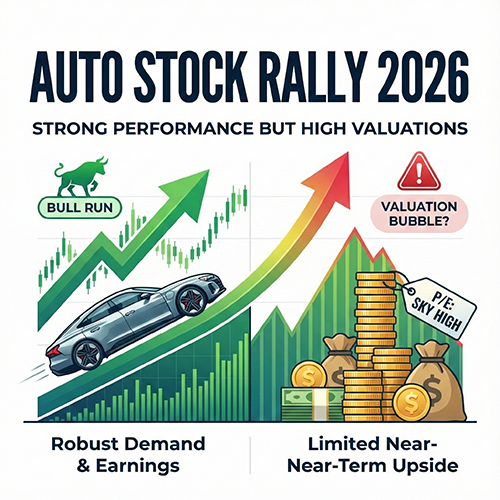
Over the past year, the Indian auto sector has delivered impressive returns. While the broader BSE Sensex saw moderate growth, auto stocks surged strongly thanks to robust demand, higher rural income, easing supply issues, and strong festive-season buying.
However, analysts are now cautious due to:
- Elevated valuations
- Normalizing demand
- Limited room for earnings surprises
- Mixed sentiment across segments
October 2025 Vehicle Sales Growth
The festive season pushed strong sales across major segments:
- Two-wheelers +51.76%, passenger vehicles +11.35%, commercial vehicles +17.69%, tractors +14.22%, three-wheelers +5.43% (retail, Oct 2025 vs Oct 2024, FADA)
- Overall Retail Sales: +40.50%
These numbers showed strong festive demand, especially in rural India and entry-level segments.
Segment-wise Outlook
Two & Three-Wheelers
- Expected to lead growth
- Support from rural demand and recovery in cash cycles
- Government infrastructure push boosts outlook
Passenger Vehicles (PV)
- Growth likely to remain steady
- Mid-size & compact SUVs continue to dominate
- Replacement demand supporting steady sales
Commercial Vehicles (CV)
- Demand growth slowing
- Fleet operators remain cautious
- High base effect + mismatch in inventory
- Limited new demand visible
Tractors & LCVs
- Benefit from rural stability, better liquidity & festive demand
Investor Sentiment: Mixed Signals
Recent broker reports show rising scepticism due to:
- Doubts about sustainability of wholesale growth post-festive season
- Concerns about December–January inventory buildup
- Expectations of price cuts or discounts in early 2026
- Higher valuations reducing margin of safety
Despite these concerns, many investors remain bullish on long-term structural growth in India’s auto sector.
Company-wise Breakdown
Maruti Suzuki
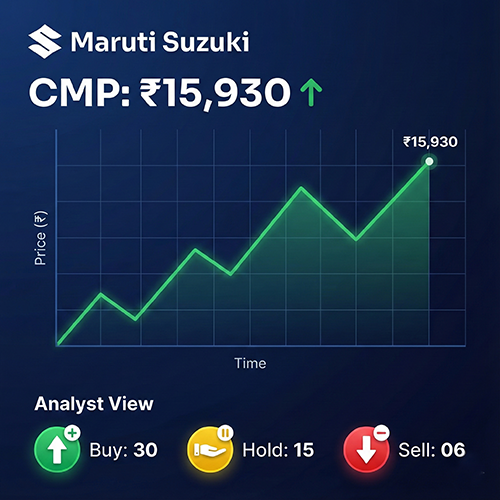
Maruti delivered strong performance with robust demand in entry and mid-level cars. With the easing of supply-chain issues and strong festive demand, analysts expect stable earnings. However, analysts flagged high valuations as a risk.
Mahindra & Mahindra (M&M)
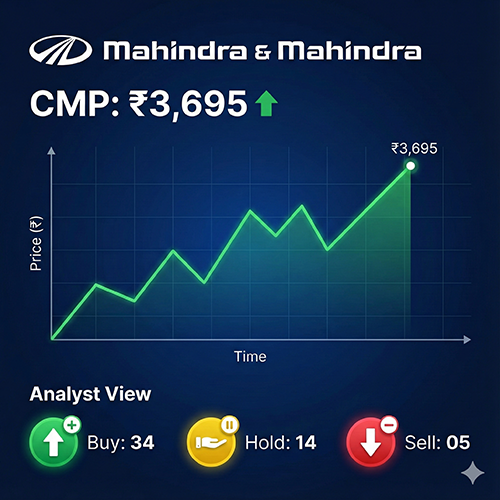
M&M has been one of the strongest performers in 2025. Its SUV lineup continues to dominate, and rural markets remain a huge growth engine. The company is also expanding its EV portfolio.
Bajaj Auto
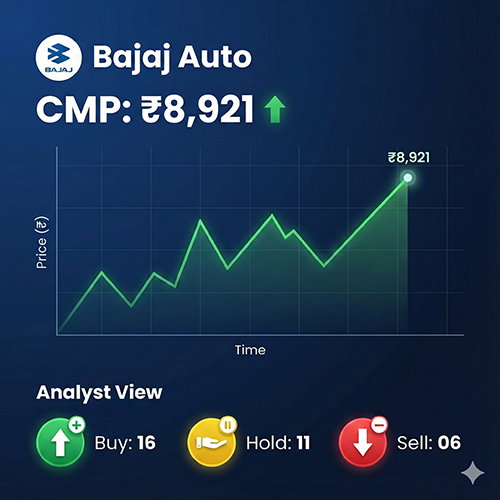
Bajaj Auto saw strong growth in both domestic and export segments. New premium bikes, expansions in EV scooters, and a sharp rise in festive sales contributed to its strong stock growth.
Key Takeaways for Readers
The auto sector has been supported by strong demand, but valuations are high and demand may normalise after the festive season. Readers should weigh these risks and their own goals; this article does not recommend any stock.
FAQs – Auto Stocks Investment 2025 – 26
Why are analysts cautious despite strong sales?
Because stock valuations are stretched and demand may normalize after the festive season.
Will auto sales remain strong in 2026?
Sales may stabilize. Growth likely to remain steady in PVs, but CV growth may slow down.
What is supporting two-wheeler demand?
Rural income support and growing EV adoption.
Why is sentiment mixed in the auto sector?
Due to concerns around overstocking, sustainability of demand, and possible price cuts.
Are EV launches improving auto stock valuations?
EV plans are one of the factors investors watch; their effect on valuations varies by company.
Investments in the securities market are subject to market risks. This article is for education only and is not investment advice.
