
Summary: Credit cards have become the safest and most cost-efficient way to manage money abroad, thanks to low forex fees, better security, and global acceptance. Avoid Dynamic Currency Conversion (DCC), use zero-markup cards, and rely on small cash only when required.
Travelling abroad is exciting, but managing money in a foreign country can be confusing. While many travellers still rely on cash or forex cards, credit cards have now become the smartest, safest, and most convenient way to spend internationally.
Learn why credit cards are the safest and most cost-effective way to manage money abroad. Compare Credit Cards vs Forex Cards. From lower forex charges to better fraud protection and wider acceptance, credit cards increasingly outperform other payment methods, making them the preferred choice for global travellers.
Why Credit Cards Work Best Overseas | Credit Cards vs Forex Cards
Many travellers initially carry cash or use prepaid forex cards, but credit cards have evolved significantly over the years. Today, premium and even mid-range credit cards offer:
- Lower forex markup fees
- High security features
- Instant transaction alerts
- Cashback and reward points on international spending
- Global acceptance at hotels, airports, restaurants, and online platforms
1. Safer Than Carrying Cash
Cash can be lost or stolen, and recovery is almost impossible.
Credit cards, however, come with:
- Zero liability protection
- SMS/email alerts
- Real-time transaction tracking
- Chip + PIN + Tokenisation security
If your card gets compromised, banks usually reverse fraudulent charges quickly.
2. More Convenient Than Forex Cards

Forex cards need to be pre-loaded, recharged, maintained, and tracked.
Credit cards require none of that—they simply work everywhere.
They also eliminate the hassle of carrying multiple currencies.
3. Growing Acceptance Due to RBI’s New Security Standards
RBI has implemented modern authentication tools, making international transactions more secure.
Banks now routinely verify high-value transactions via SMS or calls.
This ensures that even if fraud is attempted, the system blocks suspicious swipes in seconds.
Foreign Exchange Charges Are Getting Lower
One of the biggest concerns with credit cards used abroad is the forex markup fee—the extra percentage charged for converting currency.
Good news: these fees are reducing across banks.
Examples:
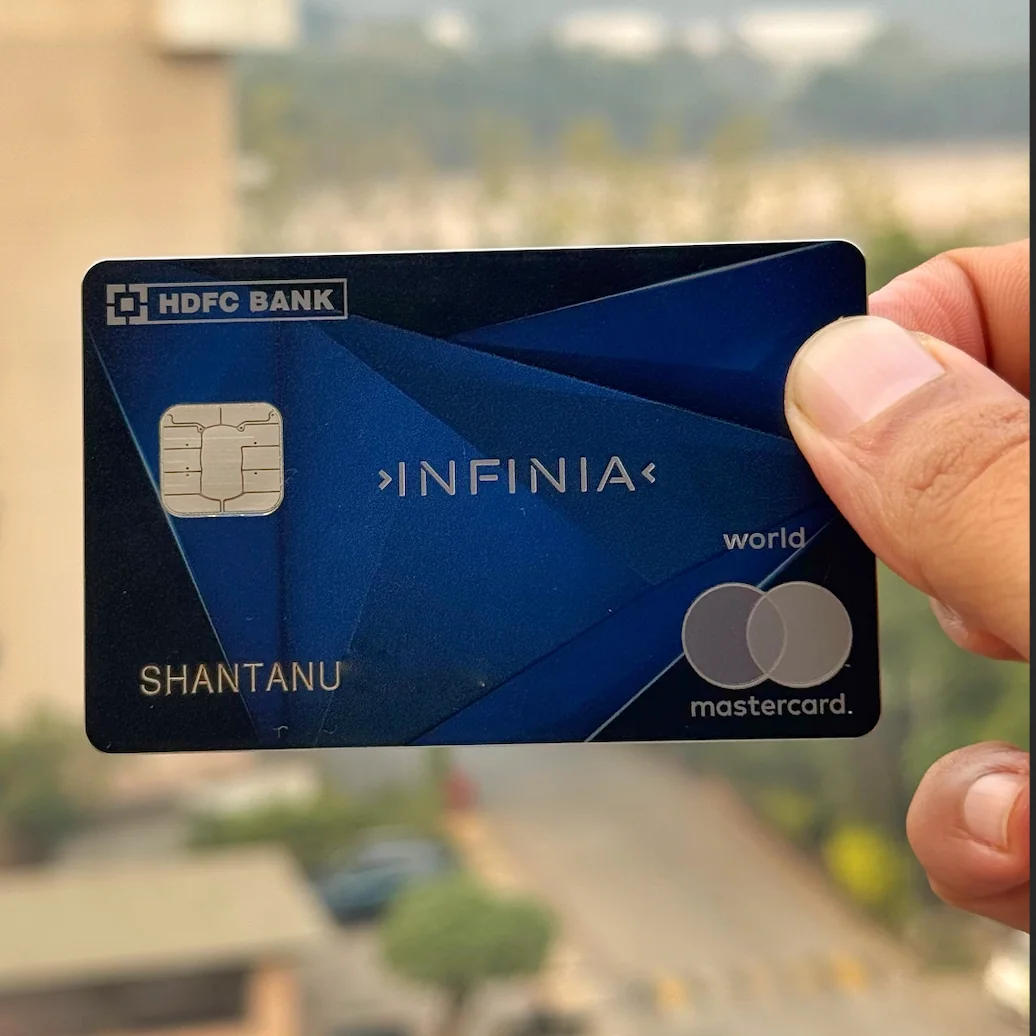
HDFC Bank Infinia – 2% + GST
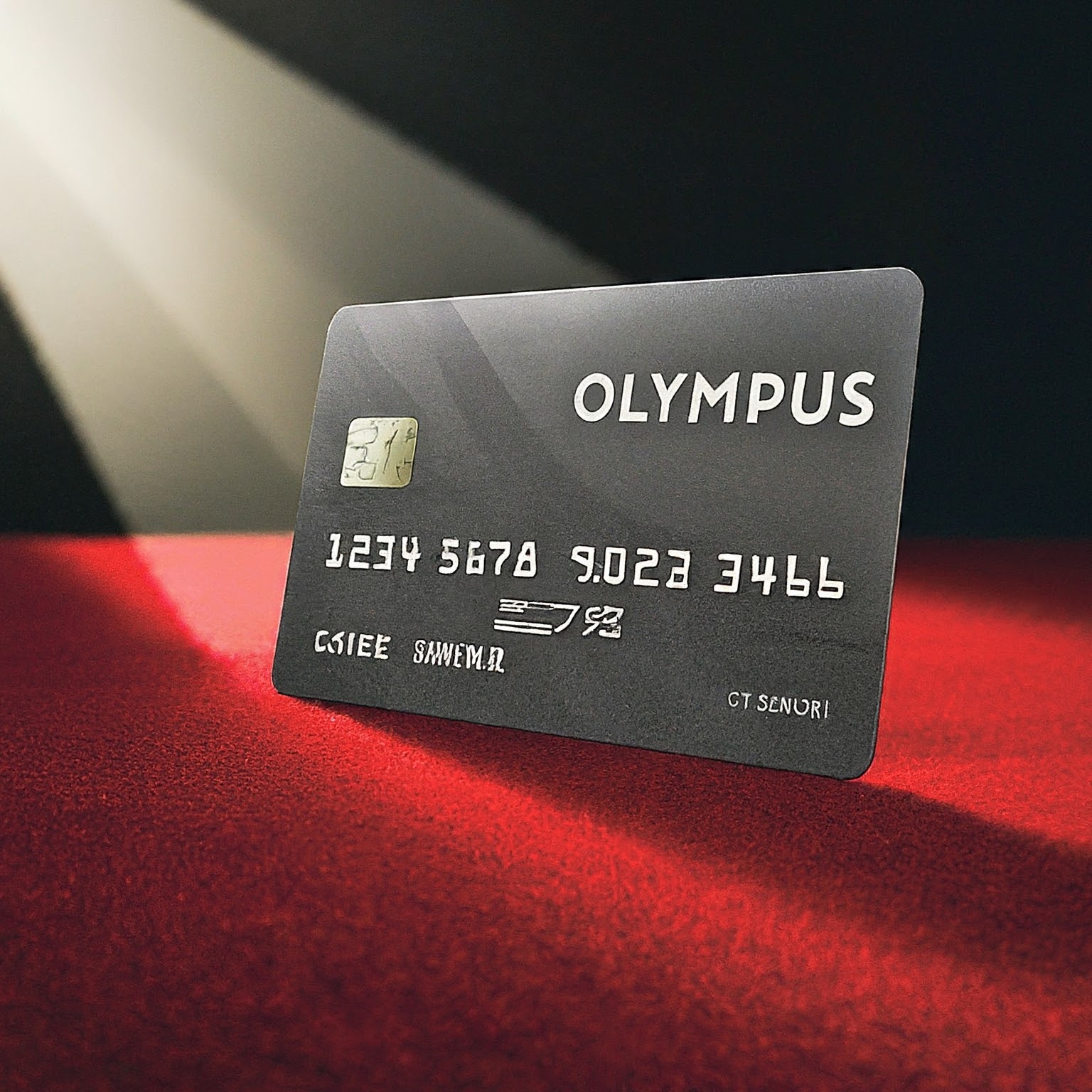
Axis Bank Olympus – 1.8% + GST
RBI Bank World Safari / Scapia / IDFC / Ixigo – 0% forex markup options available
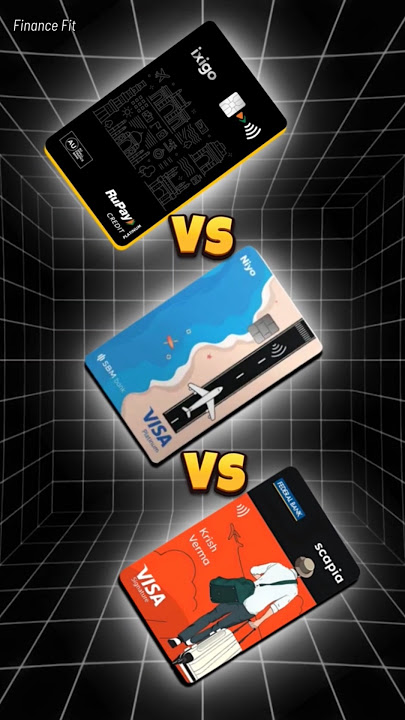
Some cards even offer 1% cashback or bonus points to offset any remaining costs.
If you want to avoid forex fees completely, choose a zero-markup credit card—ideal for frequent travellers.
Dynamic Currency Conversion (Avoid This!)
Many international merchants offer DCC – Dynamic Currency Conversion, where they charge you in INR instead of local currency.
This is a trap.
DCC usually costs 6–8% more than the bank’s conversion rate.
Always select “Charge in local currency” on POS machines and online payments.
Cash Is Still Needed Sometimes
While cards work 90% of the time, some situations still require cash:
- Small local markets
- Taxis in remote areas
- Countries where card acceptance is weak
In such cases, travellers can withdraw cash from ATMs using credit or debit cards—but choose banks that offer low withdrawal fees or fee-free international ATM withdrawals.
Credit cards today offer unmatched convenience, safety, and savings for global travellers. With smarter features, reduced charges, and improved security standards, they are easily the best way to manage money abroad in 2025 – 2026.
Carry some cash for emergencies—but let your credit card do the heavy lifting on your next international trip.
FAQs
Is it safe to use a credit card abroad?
Yes. Modern cards come with chip-PIN, tokenisation, and fraud alerts. Banks also verify suspicious transactions instantly.
Which is better: forex card or credit card?
Credit cards win due to better security, global acceptance, zero-markup options, and reward benefits.
What is forex markup?
It is the extra fee charged on international transactions. Many premium cards now offer very low or even zero markup.
Should I choose DCC while paying abroad?
No. Always pay in local currency. DCC is more expensive and increases your bill significantly.
Do credit cards offer rewards on international spending?
Yes. Many cards provide bonus points, cashback, lounge access, and additional perks on foreign transactions.
